

As someone who has made a career in technology, I am especially grateful to the unsung innovators who made it possible. Through Women's History Month I highlighted five of them.
Grace Hopper
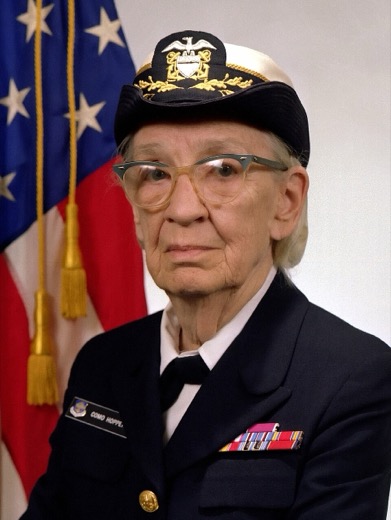
Born in New York in 1906, Grace Hopper earned a PhD in mathematics from Yale and joined the Naval Reserve in 1943. In 1949 she joined the Eckert-Mauchly Computer Corporation, where she designed a compiler that translated programmers' instructions into computer code, and in 1957 her division developed the first English-language data processing compiler. Recalled to standardize the Navy's computer languages, she was the oldest serving officer in the Navy when she retired in 1986 at 79. She was awarded the Presidential Medal of Freedom in 2016.
Lillian Moller Gilbreth
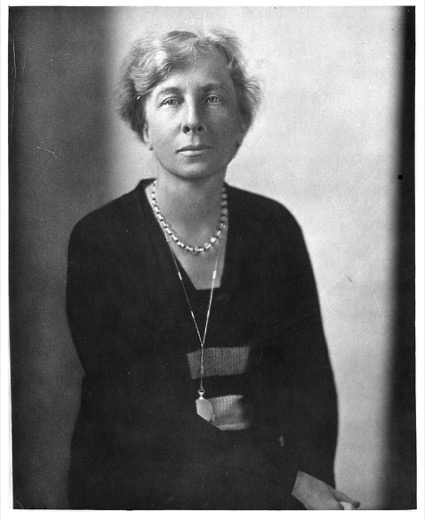
A psychologist and industrial engineer, Gilbreth blended psychology and engineering to improve workplace productivity and home management, all while raising 12 children, a story told in Cheaper by the Dozen. She was the first female engineering professor at Purdue and the first woman elected to the National Academy of Engineering. Many of the efficiency and organizational systems we use today build on her work.
Ruth Rogan Benerito
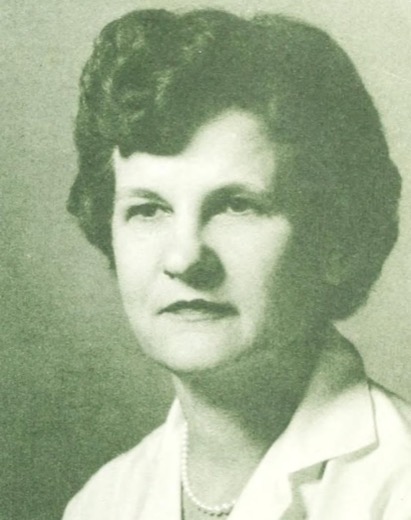
If you are wearing wrinkle-free cotton, thank Ruth Benerito. The chemist's process for wrinkle-free, stain-resistant and flame-resistant cotton is credited with saving the American cotton industry after World War II. She also developed a way to use fats from seeds for intravenous feeding of patients. She received the Lemelson-MIT Lifetime Achievement Award for her contributions to industry and education.
Ellen Ochoa
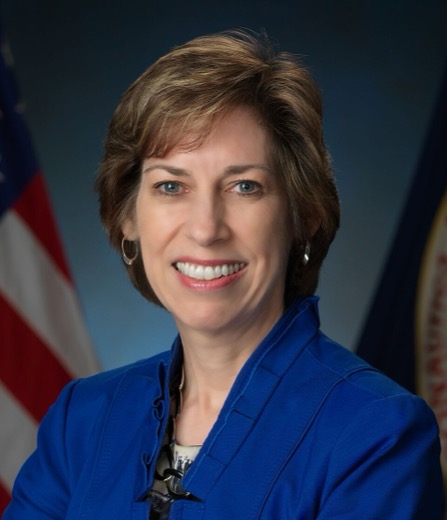
In 1993, Dr. Ellen Ochoa became the first Hispanic woman in space, on a nine-day mission aboard the space shuttle Discovery. She flew four times, logging nearly 1,000 hours in orbit, and before that was a research engineer with three patents for optical systems. She went on to become the first Hispanic, and second female, director of NASA's Johnson Space Center.
Ana Roqué de Duprey
Born in Puerto Rico in 1853, Ana Roqué started a school in her home at 13 and wrote a geography textbook later adopted by Puerto Rico's Department of Education. A champion of education and astronomy, she founded several schools for girls and helped found the College of Mayagüez, today the Mayagüez campus of the University of Puerto Rico. She wrote Botánica Antillana, the most comprehensive study of Caribbean flora of its time, and was instrumental in winning Puerto Rican women the right to vote.
Celebrating these barrier-breaking women elevates all of us.
Adapted from a Women's History Month series of LinkedIn posts on March 15, March 19, March 22, March 26 and March 29, 2024.